 By Rahul Vats
 Moving shares from one demat account to another is a common process. People do it when they switch brokers, consolidate accounts, or shift holdings within the family. The good part is—it’s not complicated once you understand the steps.
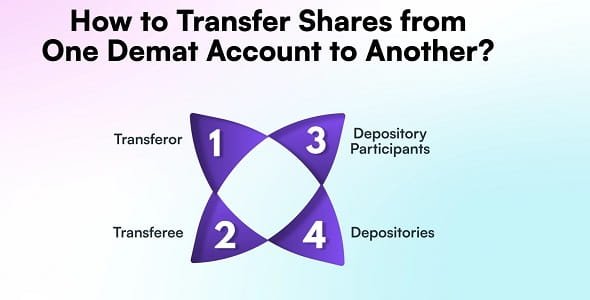
What Does “Transfer Shares” Mean?
When you transfer shares, you are moving your holdings from one demat account to another without selling them.
No market transaction
No change in ownership (in most cases)
No impact on stock price
It’s simply a shift of securities from one account to another.
Types of Share Transfers
Before you begin, it’s important to know which type applies to you.
1. Intra-Depository Transfer
- Between accounts under the same depository
- Example: National Securities Depository Limited to NSDL
2. Inter-Depository Transfer
- Between different depositories
- Example: Central Depository Services Limited to NSDL
Ways to Transfer Shares
You can transfer shares in two main ways:
1. Online Transfer (Easiest Method)
2. Offline Transfer (Using DIS Slip)
Let’s go step by step.
Method 1: Online Transfer (Using Easiest / Broker Platform)
If your demat is linked with Central Depository Services Limited, you can use the “Easiest” facility.
Steps:
- Register on CDSL Easiest portal
- Link your demat account
- Add the target demat account as a beneficiary
- Select shares you want to transfer
- Enter quantity and confirm
- Verify using OTP or PIN
Shares are transferred within 1–2 working days.
Method 2: Offline Transfer (Using DIS Slip)
This is the traditional method.
What Is DIS?
DIS (Delivery Instruction Slip) is like a cheque book for your demat account.
Steps:
1. Get DIS booklet from your broker
Fill in details:
- ISIN (unique code of the stock)
- Target demat account number
- Quantity of shares
- Type of transfer (intra/inter depository)
2. Sign the slip (must match records)
3. Submit it to your broker
Transfer usually completes in 2–3 working days.
Details You Must Enter Carefully
Mistakes can delay or reject your transfer.
Make sure you correctly fill:
- DP ID and Client ID
- ISIN number
- Quantity of shares
- Correct transfer type
Even a small error can cause issues.
Charges for Share Transfer
Charges depend on the method and broker.
Online Transfer
- Often free or minimal cost
Offline Transfer
- ₹10–₹25 per ISIN (varies by broker)
Is There Any Tax on Transfer?
It depends on the situation.
No Tax If:
- You transfer between your own accounts
Tax May Apply If:
- You gift shares
- You transfer ownership to another person
Capital gains tax rules may apply in such cases.
How Long Does It Take?
- Online transfer: 1–2 working days
- Offline transfer: 2–3 working days
Delays can happen if details are incorrect.
When Should You Transfer Shares?
Common situations include:
- Changing your broker
- Closing old demat account
- Consolidating multiple accounts
- Transferring shares to family members
Important Points to Remember
- Always double-check account details
- Use online method if available (faster and easier)
- Keep acknowledgment receipt (for offline transfer)
- Ensure your KYC is updated
Common Mistakes to Avoid
Wrong ISIN Entry
Each stock has a unique code—don’t mix it up.
Signature Mismatch
Your DIS signature must match broker records.
Selecting Wrong Transfer Type
Intra vs inter depository matters.
Not Adding Beneficiary Properly (Online)
This can delay transfers.
Can You Transfer Shares Between Different Brokers?
Yes, absolutely.
You can move shares from one broker to another without selling them. This is one of the main reasons people use this process.
Final Thoughts
Transferring shares between demat accounts is a simple process once you know the steps. Whether you use the online method or the traditional DIS slip, the key is accuracy in details.
The biggest advantage is that you don’t have to sell your investments just to switch accounts. Your holdings remain intact, and your long-term investment strategy stays unchanged.
If you’re planning to shift brokers or organize your investments better, share transfer is a smooth and practical option—just follow the process carefully, and it works without hassle.